Introduction
Have you ever picked up two 100% cotton t-shirts and wondered why one feels incredibly soft while the other feels rough, stiff, or scratchy? The answer often has less to do with the cotton itself and more to do with how the fabric has been treated after production.
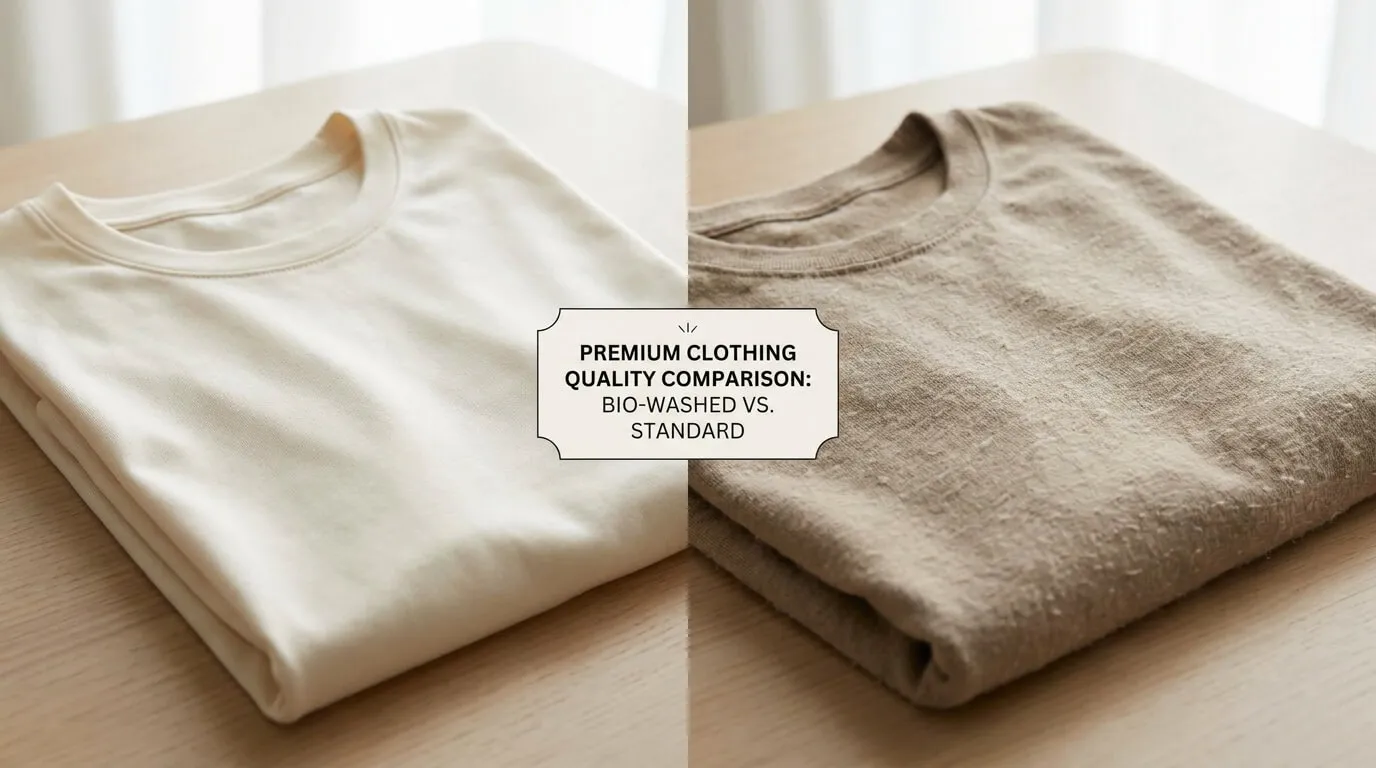
Many budget cotton garments feel acceptable when new but quickly develop fuzz, pilling, and rough patches after a few washes. On the other hand, premium apparel brands often use a special finishing process called bio-washing that transforms ordinary cotton into a fabric that feels noticeably softer, smoother, and more luxurious.
If you’re curious about why bio washed cotton feels premium, this guide will explain the science behind bio-washing, the benefits it provides, how it improves comfort and durability, and how you can identify genuine bio-washed garments when shopping.
Why Bio Washed Cotton Feels Premium: Understanding the Process
What Exactly is Bio-Washing?
Bio-washing is a textile finishing treatment that uses natural enzymes to improve the surface quality of cotton fabric.
Unlike traditional chemical treatments, bio-washing works through biological processes that selectively remove unwanted fibers from the fabric surface without damaging the main structure of the cotton.
The result is a smoother, softer, cleaner fabric with improved appearance and comfort.
The Science of Cellulase Enzymes
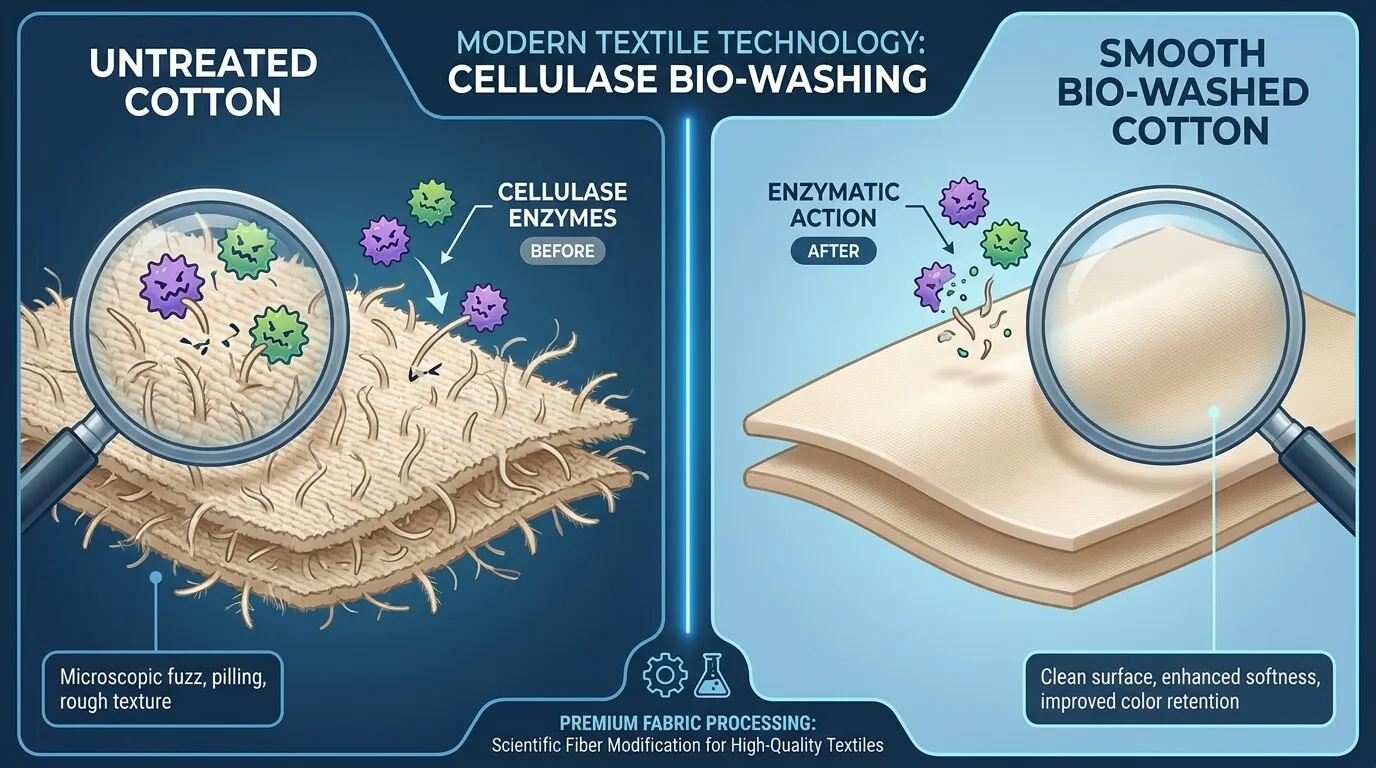
The secret behind bio-washing lies in enzymes known as cellulases.
These enzymes target tiny loose cotton fibers that protrude from the fabric surface.
How It Works
Cellulase enzymes:
- Break down micro-fibers on the surface
- Remove excess fuzz
- Reduce pilling formation
- Smooth out the fabric texture
Think of it as precision grooming for cotton.
Instead of aggressively wearing down the fabric, enzymes carefully remove only the unwanted surface fibers.
From Harsh Chemicals to Biological Precision
Traditional textile finishing often relied on:
- Abrasive treatments
- Chemical washes
- Mechanical processing
Bio-washing offers a more controlled and fabric-friendly alternative.
Bio-Wash vs Standard Washing
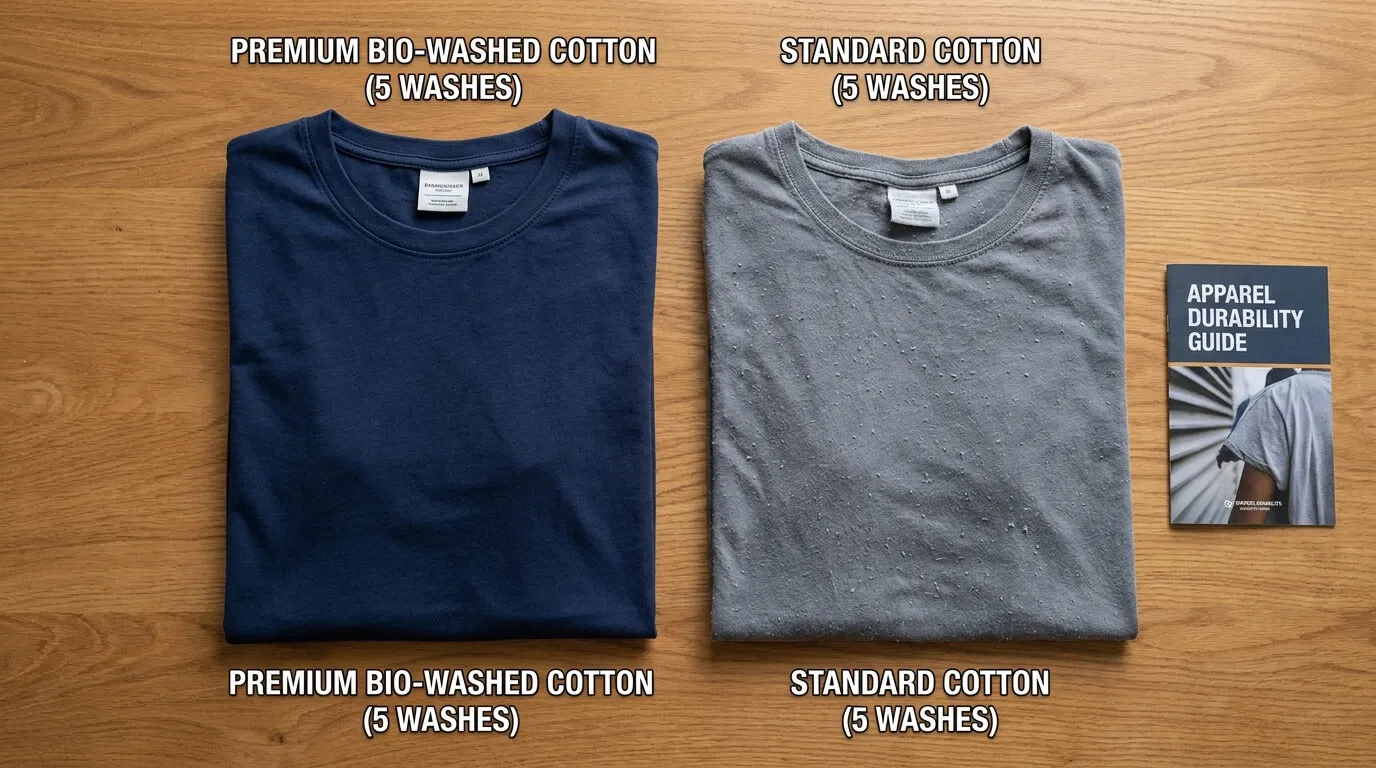
Many consumers assume bio-washing simply means washing fabric more thoroughly.
In reality, the difference is substantial.
Standard Washing
Traditional washing primarily:
- Removes dirt
- Softens fabric slightly
- Prepares garments for sale
Bio-Washing
Bio-washing actively changes the fabric surface.
Benefits include:
- Reduced surface friction
- Improved softness
- Better appearance
- Longer-lasting smoothness
This difference becomes noticeable immediately when touching the garment.
The Eco-Friendly Edge
Bio-washing isn’t just beneficial for consumers—it can also be better for the environment.
Reduced Resource Consumption
Compared to older stone-washing methods, enzyme treatments often require:
- Less mechanical abrasion
- Reduced fabric waste
- Lower processing damage
Biodegradable Enzymes
Cellulase enzymes naturally biodegrade after use, making them a more environmentally responsible option than some traditional chemical treatments.
Longer Garment Lifespan
When clothing lasts longer:
- Less textile waste is generated
- Replacement frequency decreases
- Overall environmental impact is reduced
Why Bio Washed Cotton Feels Premium: The Tangible Benefits
Superior Softness and Texture
The first thing most people notice is softness.
The Peach-Skin Effect
Bio-washed cotton often develops what textile experts call a “peach-skin” finish.
Characteristics include:
- Smooth touch
- Soft feel
- Reduced roughness
- Enhanced comfort
The fabric feels noticeably refined compared to untreated cotton.
Better for Sensitive Skin
Because surface fibers are removed, bio-washed fabrics typically create less friction against the skin.
This can help reduce irritation during extended wear.
No More Pilling or Fuzz
Pilling is one of the most common complaints about lower-quality cotton garments.
Why Pilling Happens
Loose fibers become tangled during wear and washing, forming small balls known as pills.
How Bio-Washing Helps
By removing loose fibers early in production, bio-washing significantly reduces future pilling.
Example
After five wash cycles:
- A budget cotton tee may develop visible fuzz.
- A bio-washed tee often maintains a cleaner appearance.
This contributes to a longer-lasting premium look.
Better Color Depth and Clarity
A smoother fabric surface also affects how colors appear.
Enhanced Dye Appearance
When excess fuzz is removed:
- Colors appear deeper
- Prints look sharper
- Surface clarity improves
Cleaner Visual Finish
Bio-washed fabrics often display:
- Richer blacks
- More vibrant colors
- More consistent dye distribution
This is one reason luxury apparel brands favor bio-washed cotton.
How Bio-Washing Improves Wearability
Enhanced Breathability and Airflow
Many people assume softness alone creates comfort.
In reality, breathability also plays a major role.
Improved Air Movement
A cleaner fabric surface allows air to circulate more efficiently across the garment.
Hot Weather Performance
In warm summer conditions, bio-washed cotton often feels:
- Cooler
- Less clingy
- More comfortable
Moisture Management
The smoother surface can also improve moisture movement across the fabric, enhancing day-to-day comfort.
Better Drape and Fit
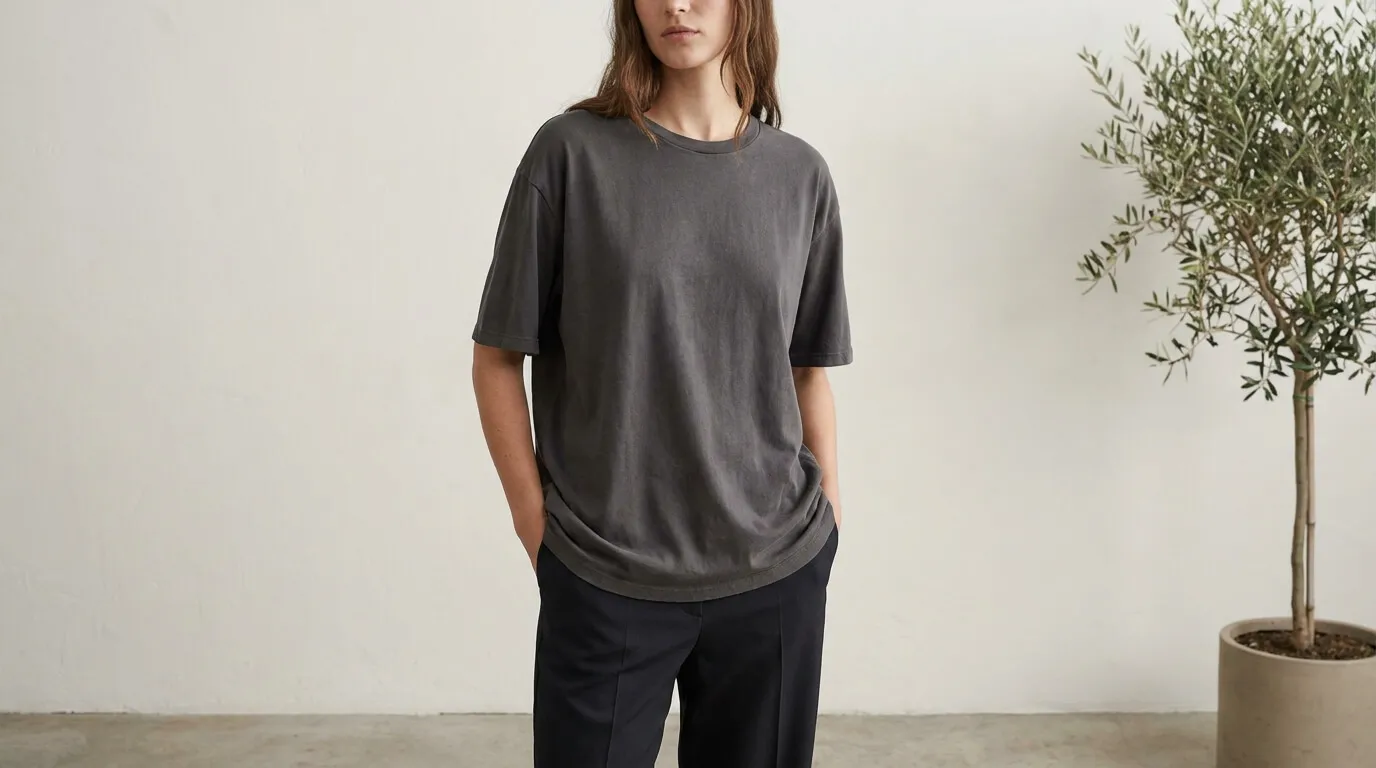
Fabric drape refers to how naturally a garment hangs on the body.
Reduced Stiffness
Bio-washing softens the fabric structure, allowing it to:
- Flow naturally
- Follow body contours
- Create cleaner silhouettes
Why Premium Brands Prefer It
Luxury t-shirts, polos, and loungewear often rely on bio-washed cotton because it delivers a more refined appearance.
Fast Fashion vs Premium Apparel
Premium garments typically exhibit:
- Better drape
- More fluid movement
- Cleaner lines
These characteristics contribute significantly to perceived quality.
Increased Comfort for Daily Use
Comfort is where bio-washed cotton truly excels.
Reduced Chafing
A smoother surface creates less friction during movement.
Everyday Luxury
Many textile professionals refer to bio-washing as a form of “tactile luxury” because it enhances the sensory experience of wearing the garment.
Ideal for Loungewear
Bio-washed cotton has become a preferred choice for:
- Lounge sets
- Premium t-shirts
- Sleepwear
- Casual everyday clothing
Identifying Premium Bio-Washed Cotton
The Touch Test
One of the easiest identification methods is simple touch.
Signs of Bio-Washed Fabric
Look for:
- Smooth texture
- Soft surface
- Minimal graininess
- Reduced fuzz
Fabric Rub Test
Gently rub the material between your fingers.
Premium bio-washed cotton should feel silky and refined rather than rough or hairy.
Reading the Labels
Manufacturers often mention finishing treatments on product labels.
Common phrases include:
- Bio-washed cotton
- Enzyme washed
- Soft-touch finish
- Premium combed cotton
- Ultra-soft cotton
Premium Combed Cotton Pairing
Bio-washing is frequently combined with combed cotton for maximum softness.
Certifications to Check
Look for standards such as:
- OEKO-TEX
- GOTS
- Better Cotton Initiative (BCI)
These can indicate higher manufacturing quality.
Price Point vs Value
Bio-washed garments generally cost more than standard cotton products.
Why They Cost More
Additional processing means:
- Higher production costs
- More quality control
- Longer manufacturing times
Cost Per Wear
Although initial pricing is higher, bio-washed garments often:
- Last longer
- Look better longer
- Require fewer replacements
This lowers the overall cost per wear.
Care Tips to Maintain the Premium Feel
Best Washing Practices
Use Cold Water
Cold washing helps preserve:
- Fabric softness
- Color depth
- Fiber integrity
Avoid Harsh Chemicals
Avoid:
- Bleach
- Strong stain removers
- Aggressive detergents
These can strip away the fabric’s refined finish.
Recommended Detergents
Use mild liquid detergents designed for cotton garments.
Drying and Storage
Air Dry Whenever Possible
Air drying reduces:
- Fiber stress
- Shrinkage
- Surface wear
Prevent Surface Damage
Avoid excessive folding pressure and overcrowded storage.
Proper Folding
Store garments neatly to minimize deep creases.
Long-Term Maintenance
Wash Only When Necessary
Overwashing accelerates wear.
Refresh Without Washing
Options include:
- Airing garments out
- Using garment refresh sprays
- Spot cleaning minor stains
Knowing When to Retire a Garment
Even premium garments eventually reach the end of their lifespan.
Signs include:
- Permanent thinning
- Significant stretching
- Irreversible fabric damage
Conclusion
Understanding why bio washed cotton feels premium comes down to one key factor: enzyme technology.
By using cellulase enzymes to remove loose fibers, manufacturers create fabric that is:
- Softer
- Smoother
- More durable
- Less prone to pilling
- More comfortable to wear
The result is a garment that not only feels luxurious on day one but continues to look and feel better for longer.
Key Takeaway
Bio-washed cotton isn’t just a marketing term—it’s a genuine textile improvement that enhances comfort, appearance, and longevity.
The next time you’re shopping for premium apparel, check the label. A bio-washed cotton t-shirt may cost slightly more upfront, but the superior softness and durability often make it a smarter long-term investment.
Related Article:- The Souled Store Acquires Redwolf: A Power Move in India’s Pop Culture Merchandise Market