Introduction
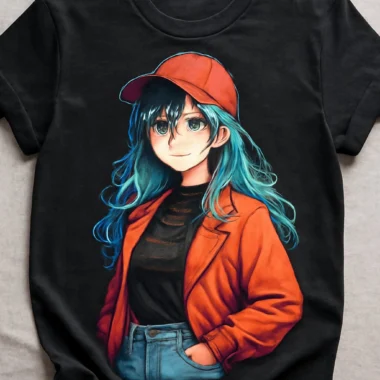
If you’re wondering how to maintain printed t shirts, you’re not alone. Few things are more frustrating than watching your favorite graphic t-shirt lose its vibrant colors or develop cracks after only a few washes. Whether it’s a band tee, anime graphic, custom print, or premium streetwear design, improper care can quickly ruin the look and feel of a printed shirt.
The good news is that most print damage isn’t caused by poor manufacturing—it’s caused by common laundry mistakes. Hot water, harsh detergents, excessive heat, and improper storage all contribute to fading, peeling, cracking, and shrinkage.
This guide covers everything you need to know to keep your printed t-shirts in excellent condition. By following a few simple care techniques, you can preserve vibrant prints, maintain fabric quality, and keep your favorite tees looking new for years.
Quick Wash Care Checklist
✔ Turn shirts inside out before washing
✔ Use cold water
✔ Choose mild liquid detergent
✔ Wash on a gentle cycle
✔ Avoid bleach
✔ Air dry whenever possible
✔ Never iron directly on prints
✔ Store properly away from sunlight
How to Maintain Printed T Shirts: Pre-Wash Preparation
Proper care starts before the washing machine even begins its cycle.
Sorting by Fabric and Color

Many people throw all clothing into a single load, but this can shorten the life of printed garments.
Separate by Color
Sort clothing into:
- Whites
- Light colors
- Dark colors
This prevents dye transfer and color bleeding.
Separate by Print Type
Different printing methods respond differently to washing conditions.
Examples include:
- Screen printed t-shirts
- DTG (Direct-to-Garment) printed shirts
- Heat transfer vinyl designs
- Sublimation prints
Grouping similar garments helps ensure consistent care.
The Golden Rule: Turn Shirts Inside Out
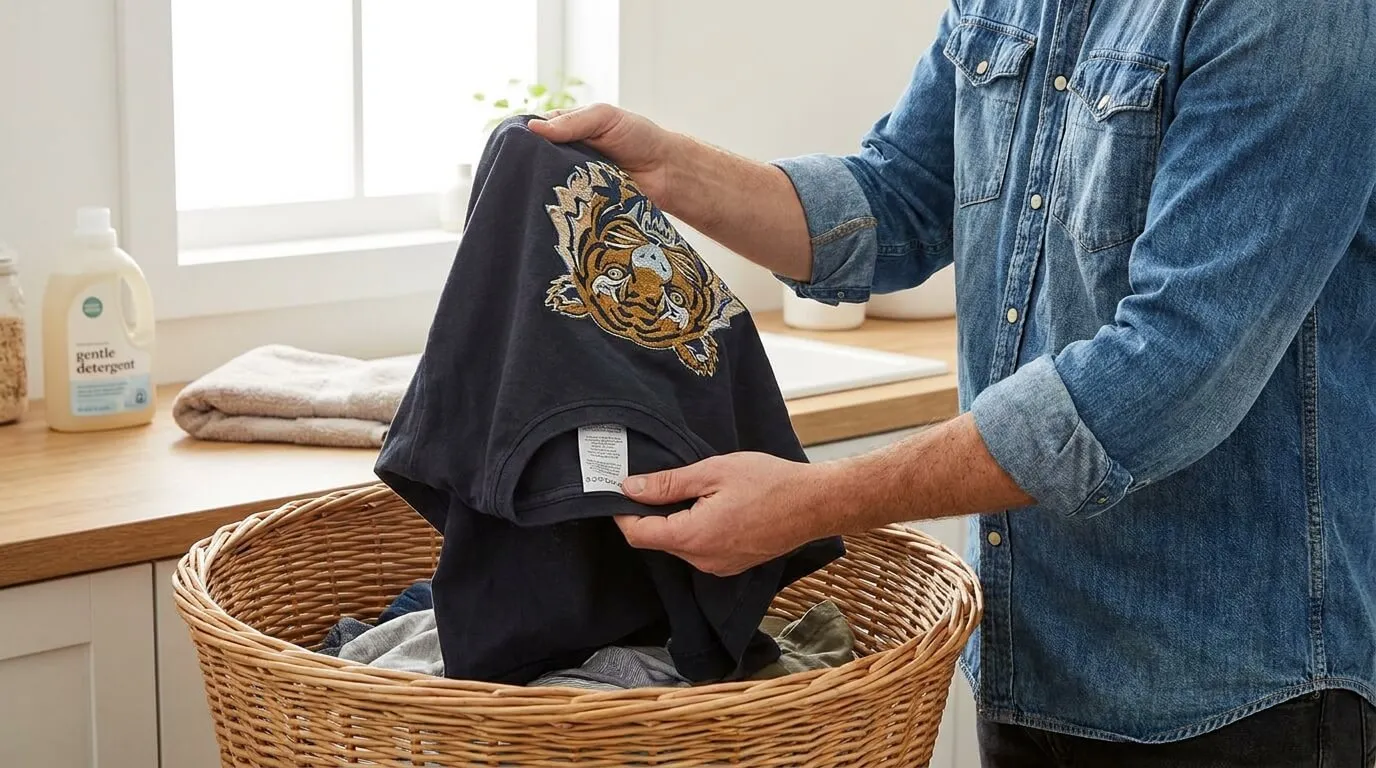
One of the easiest ways to protect a printed design is turning the shirt inside out before washing.
Why It Works
During a wash cycle, clothing rubs against:
- Other garments
- Machine walls
- Zippers and buttons
This friction slowly wears down ink and print surfaces.
Example
A graphic tee washed right-side out repeatedly often shows visible fading and cracking much sooner than an identical shirt washed inside out.
Turning garments inside out creates a protective barrier between the print and abrasive surfaces.
Checking Care Labels
Every garment includes manufacturer instructions for a reason.
Common care labels indicate:
- Recommended water temperature
- Drying instructions
- Ironing limitations
- Bleach restrictions
Ignoring these instructions often results in:
- Shrinkage
- Color loss
- Print damage
Always spend a few seconds reading the tag before washing.
How to Maintain Printed T Shirts During Washing
The washing process has the greatest impact on print longevity.
Choosing the Right Water Temperature
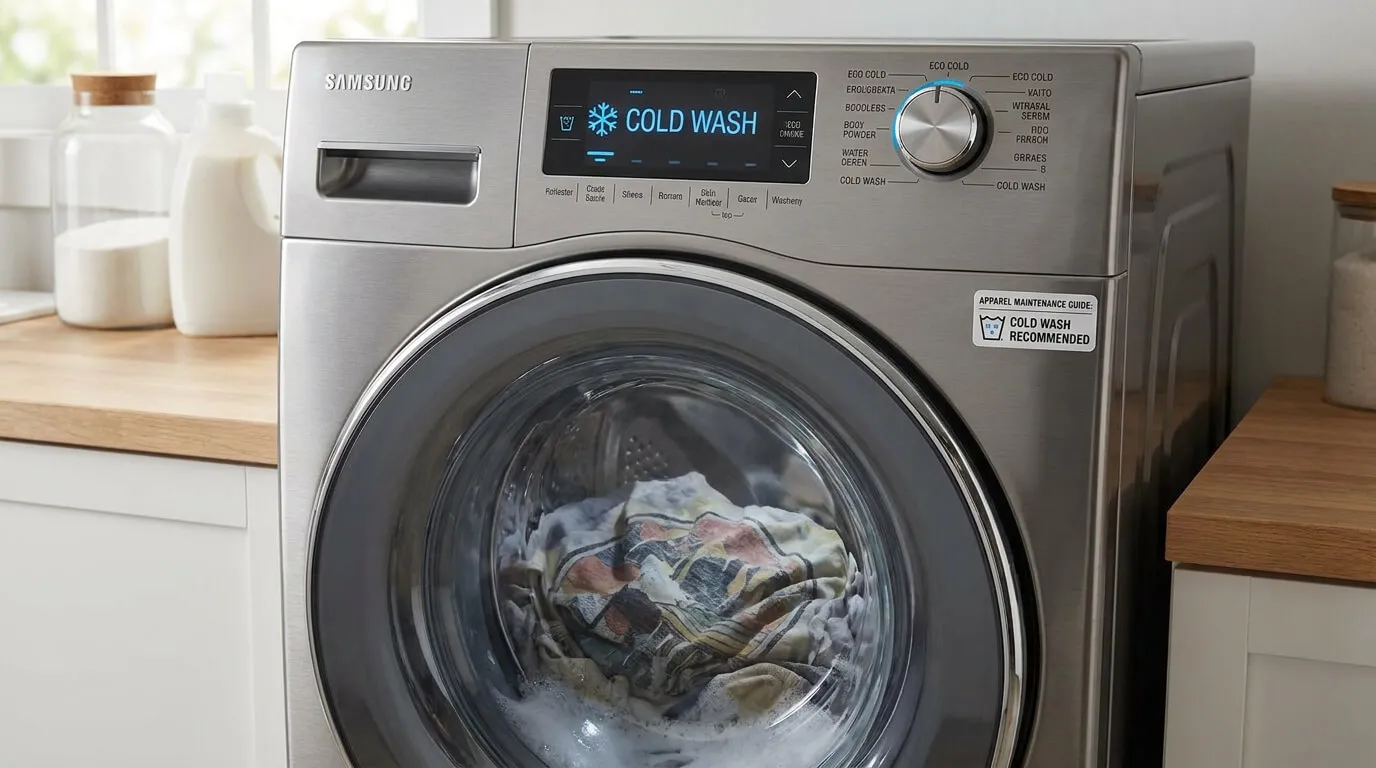
Why Cold Water Works Best
Cold water helps preserve:
- Fabric fibers
- Ink adhesion
- Color intensity
It also minimizes shrinkage.
Problems with Hot Water
High temperatures can:
- Weaken print adhesion
- Fade colors
- Shrink cotton fabrics
- Accelerate cracking
For most printed t-shirts, cold water is the safest option.
Selecting the Best Detergents
The wrong detergent can damage both fabric and print quality.
Choose Mild Liquid Detergents
Benefits include:
- Better dissolution
- Less residue
- Reduced fabric stress
Avoid
- Bleach
- Chlorine-based cleaners
- Strong stain removers
- Harsh chemical detergents
These products may strip dye and weaken printed graphics.
Machine Settings and Cycle Choice
Use Gentle or Delicate Cycles
These settings reduce:
- Fabric friction
- Stretching
- Print abrasion
Avoid Overloading the Machine
When garments are tightly packed:
- Friction increases
- Prints rub against each other
- Cleaning effectiveness decreases
Allow enough space for garments to move freely.
Drying Techniques to Prevent Cracking

Drying mistakes are one of the leading causes of damaged graphic prints.
The Risks of High Heat
Many screen prints use Plastisol ink.
Excessive dryer temperatures can:
- Soften the ink
- Cause cracking
- Damage print flexibility
The Cracked Print Look
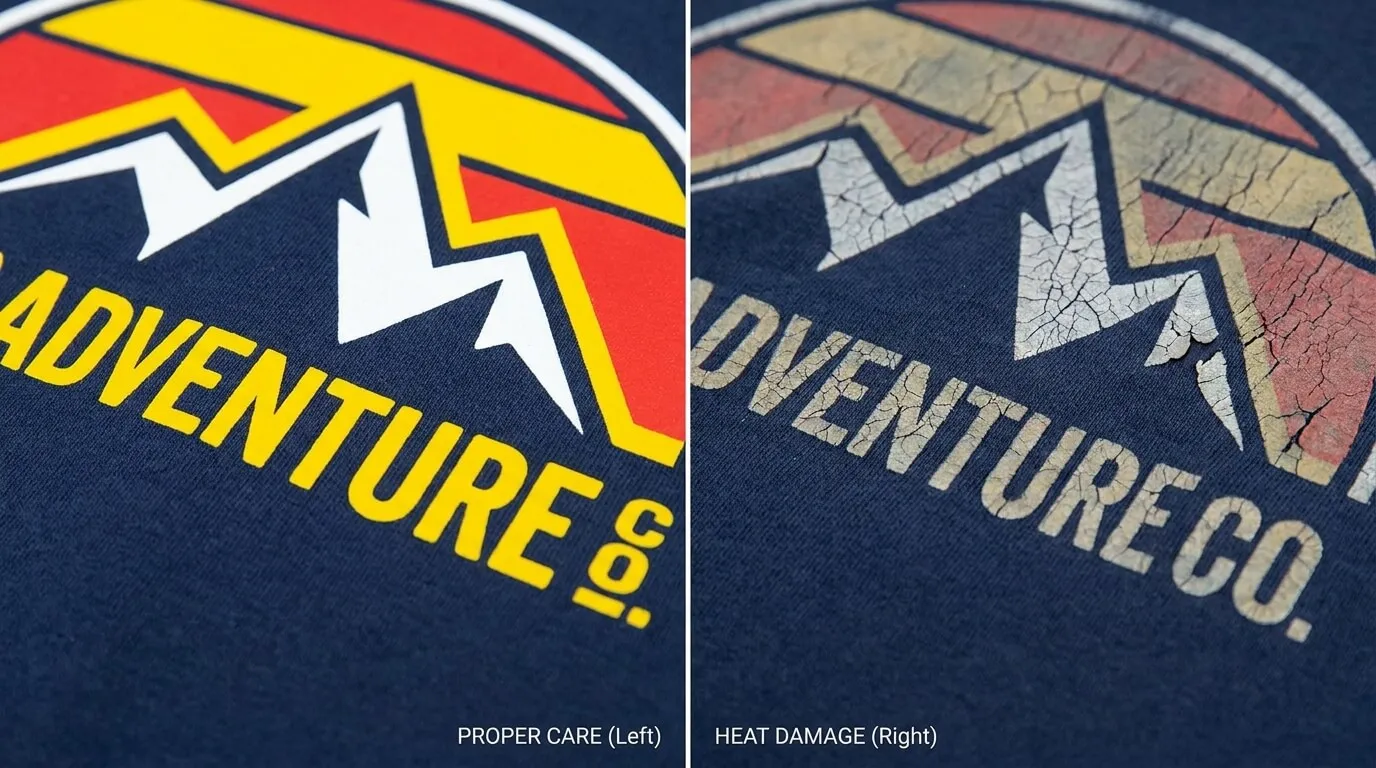
A print exposed to repeated overheating often develops:
- Surface fractures
- Peeling edges
- Loss of elasticity
Once cracking begins, it is usually permanent.
Air Drying: The Safest Method
Air drying remains the gold standard for printed apparel.
Flat Drying
Benefits include:
- Reduced stretching
- Better shape retention
- Protection for heavy prints
Hanging
Works well for lightweight shirts but may slightly stretch heavier garments.
Avoid Direct Sunlight
UV rays gradually break down dyes and fade both fabric and printed designs.
Choose a shaded, well-ventilated drying area.
Low-Heat Tumble Drying
Sometimes air drying isn’t practical.
Safe Dryer Settings
Use:
- Low heat
- Delicate mode
- Air fluff setting
Remove garments promptly once dry.
Avoid prolonged exposure to heat.
Ironing and Steaming Without Damaging Prints
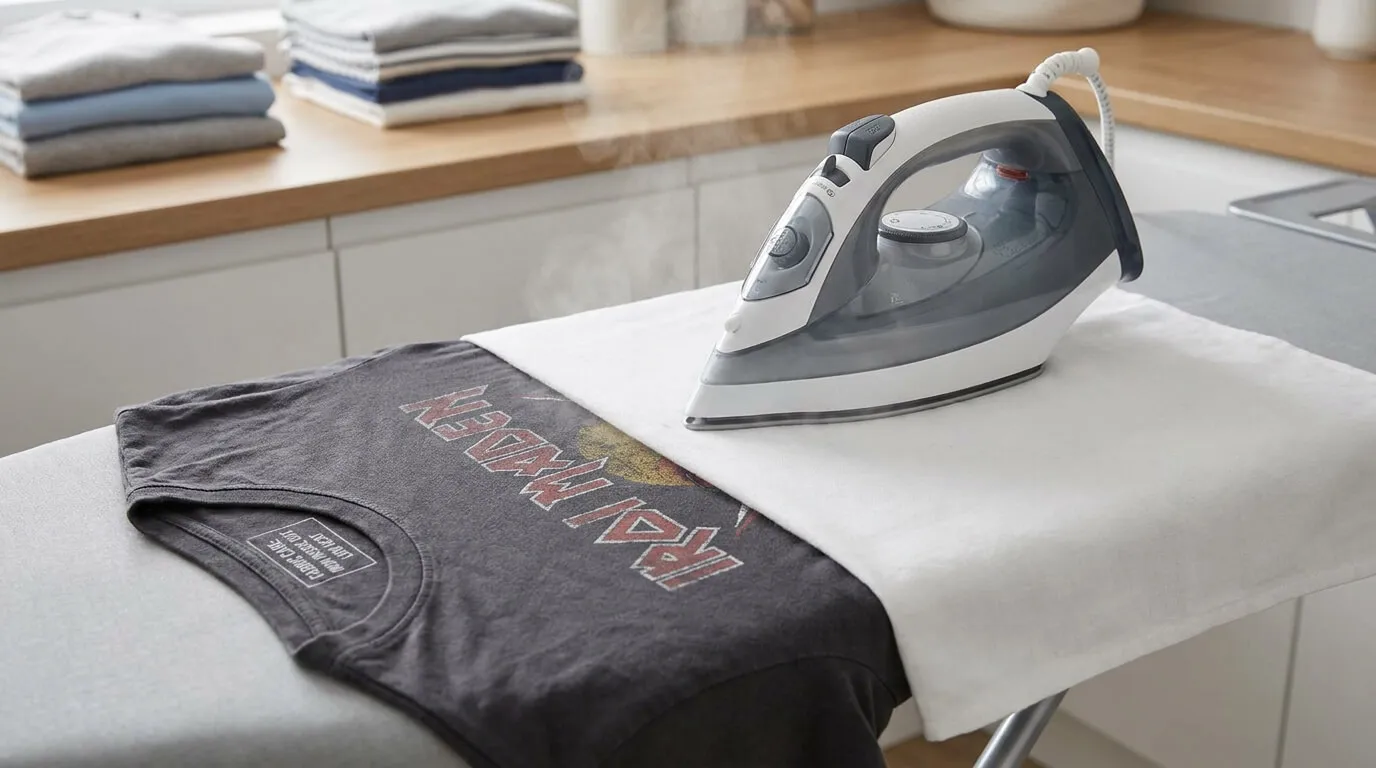
Wrinkles are normal, but removing them incorrectly can destroy a design.
Why You Should Never Iron Directly on Prints
Direct contact between a hot iron and a printed graphic can cause:
- Melting
- Peeling
- Glossy burn marks
- Permanent deformation
Heat transfer vinyl is particularly vulnerable.
Even a few seconds of direct heat can ruin a design.
Safe Ironing Methods
Use a Pressing Cloth
Place:
- Cotton fabric
- Parchment paper
- Protective pressing cloth
between the iron and garment.
Iron Inside Out
Turning the shirt inside out reduces direct heat exposure to the print.
Use Low Heat
Always start with the lowest effective temperature.
The Benefits of Steaming
Steaming removes wrinkles without direct contact.
Advantages include:
- Less risk of print damage
- Faster wrinkle removal
- Better fabric protection
Handheld Steamer Tips
- Keep slight distance from the print
- Use vertical steaming
- Avoid over-saturating the garment
For graphic tees, steaming is often safer than ironing.
Storage and Long-Term Maintenance
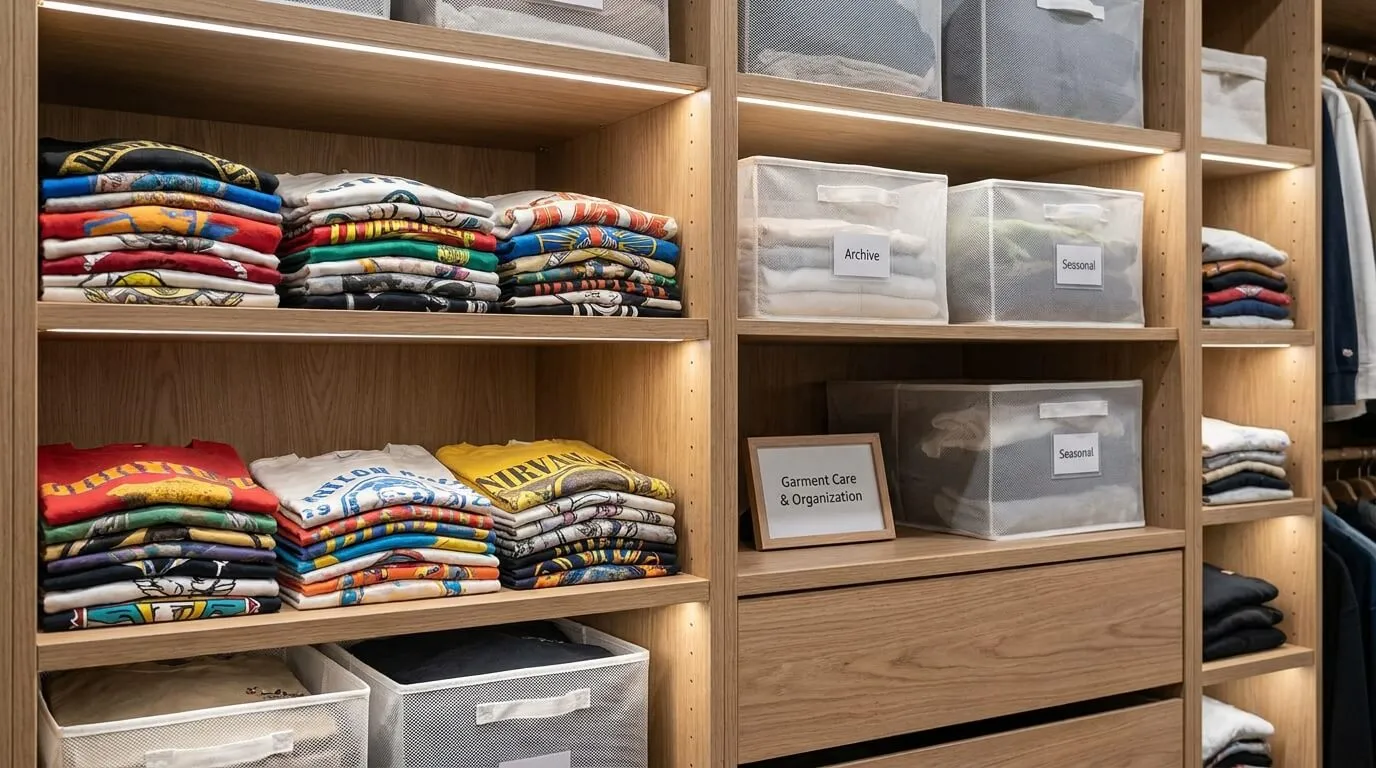
Proper storage helps preserve print quality between wears.
Folding vs Hanging
Folding
Recommended for:
- Heavy graphic prints
- Premium streetwear
- Long-term storage
Benefits:
- Prevents shoulder stretching
- Reduces hanger marks
Hanging
Suitable for lighter garments using wide, supportive hangers.
Avoid thin wire hangers whenever possible.
Dealing with Stains and Spots
Act quickly when stains occur.
Spot Cleaning Method
- Dampen a clean cloth.
- Use mild detergent.
- Gently dab the stain.
- Rinse carefully.
Avoid Aggressive Scrubbing
Scrubbing directly over printed areas can:
- Damage ink layers
- Cause fading
- Create cracks
Gentle treatment is always safer.
Seasonal Storage Tips
For long-term storage:
Use Breathable Garment Bags
These help prevent:
- Dust accumulation
- Moisture buildup
Avoid Vacuum-Sealed Bags
Compression may:
- Distort prints
- Create permanent creases
- Stress ink layers
Store garments in a cool, dry environment.
Conclusion
Learning how to maintain printed t shirts doesn’t require expensive products or complicated routines.
The most effective strategy remains simple:
Cold Wash
Protects fabric and preserves colors.
Inside-Out Washing
Reduces friction and print wear.
Air Drying
Prevents cracking, shrinkage, and fading.
Careful Storage
Keeps graphics looking sharp between wears.
Final Takeaway
Better garment care means fewer replacements, lower clothing costs, and longer-lasting favorite designs.
The next time laundry day arrives, follow these simple steps and give your printed t-shirts the protection they deserve.
Related Article:- The Complete Guide to Bio-Washed Cotton: Why Your T-Shirt Choice Matters